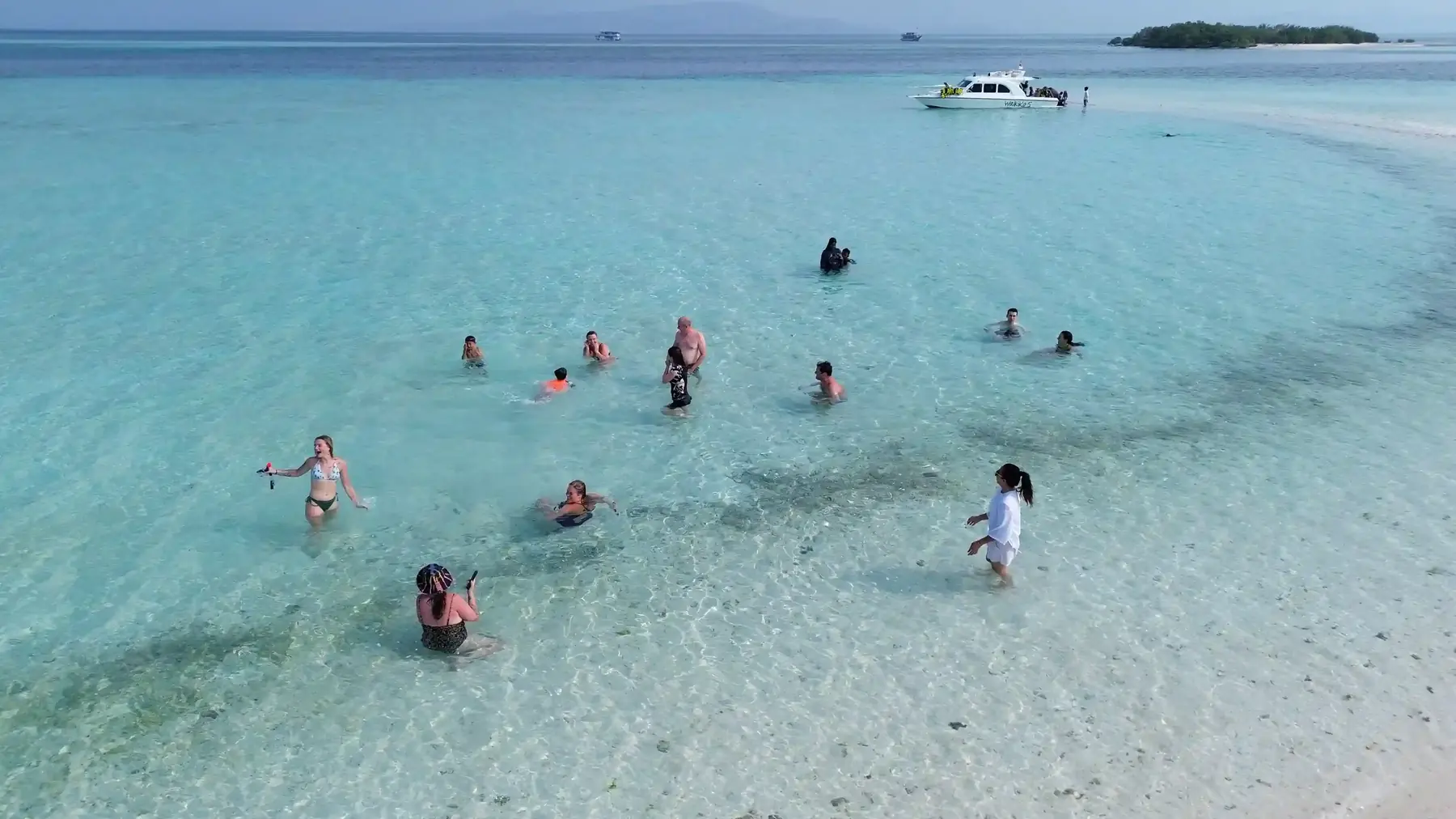
The Banggai Islands offer exceptional beaches and marine life, with optimal exploration between July and October. Visitors should plan 5–7 days to fully experience stingless jellyfish snorkeling, observe endemic Banggai cardinalfish near Salakan, and discover tranquil off-grid island hopping. Luwuk serves as the main entry point to this Central Sulawesi archipelago.
Exploring Banggai Islands Beaches: Pristine Sands and Secluded Shores
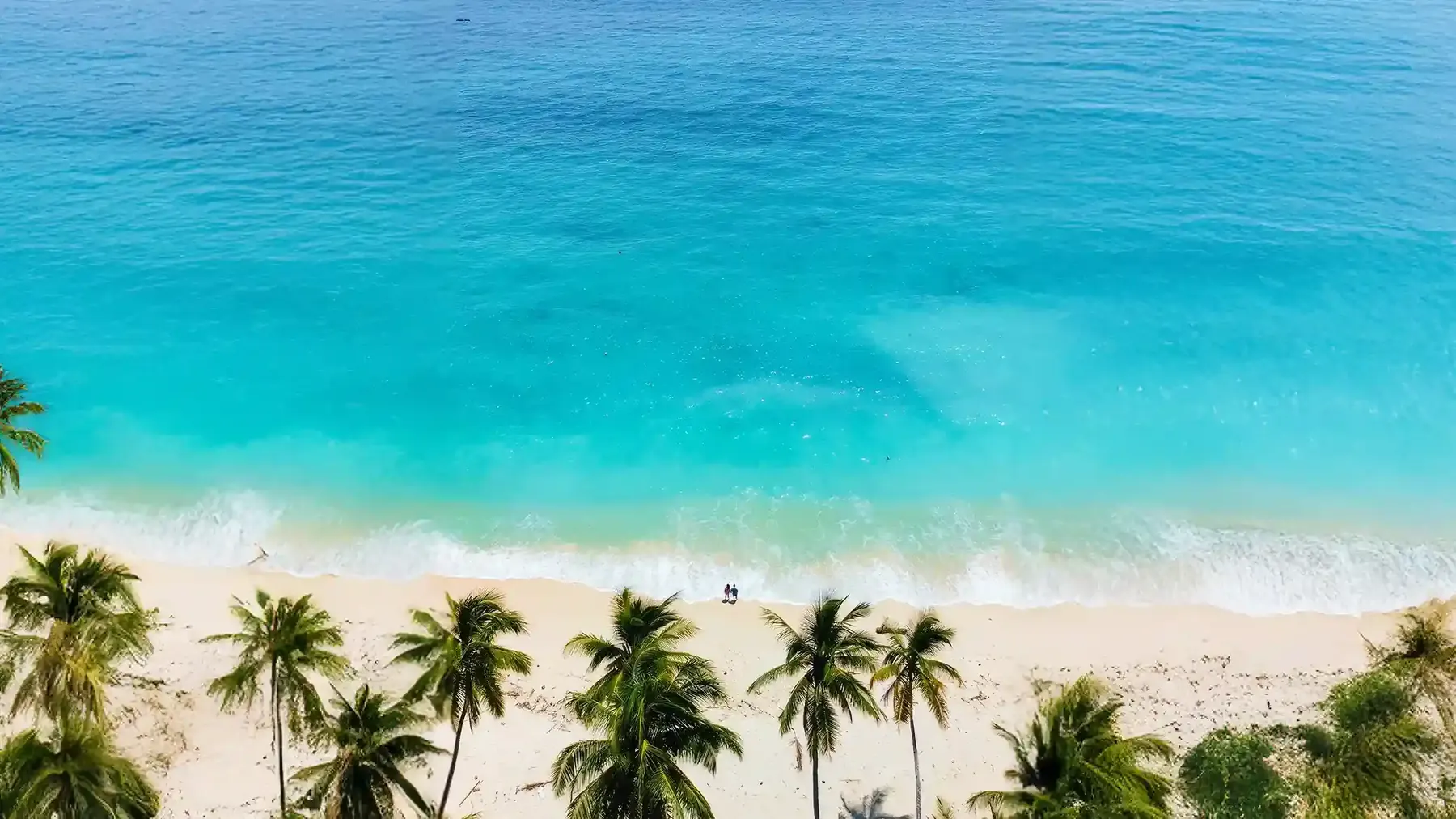
The Banggai Islands are renowned for their untouched coastlines. Mandel Beach and Oyama Beach, both near Salakan, are key locations featuring pristine white sand. These areas are excellent for relaxation and gentle swimming. Further exploration reveals secret hidden coves such as Pompon Beach and Bone-Pompon, accessible primarily by boat, offering privacy and serenity. These hidden beaches Banggai Islands are perfect for quiet reflection and enjoying the natural beauty of the archipelago.
Beyond these, the region boasts numerous other secluded spots. Panganda Beach, with its hidden lagoon, is another example of the tranquil environments available. For a truly immersive experience, consider unspoiled paradise beach camping snorkeling fishing caving trekking, allowing extended time in these serene settings. The remote ecotourism preserve raw untouched nature Banggai Islands ethos ensures these locations remain pristine for future visitors.
Banggai Islands Marine Life: A Diver’s and Snorkeler’s Delight
The underwater world of the Banggai Islands is exceptionally rich, supporting diverse Banggai Islands marine life and vibrant Banggai Islands coral reefs. A primary draw is the unique opportunity to swim with stingless jellyfish in crystal waters Banggai Laut. This phenomenon offers an extraordinary and gentle interaction with nature, making for memorable snorkeling trips. Senior-friendly snorkeling trips Banggai Islands stingless jellyfish are also available, ensuring accessibility for all.
For enthusiasts of fish ecology, the area around Salakan is crucial for observing the endemic Banggai cardinalfish. These distinctive fish are a significant part of the local marine ecosystem. Eco-friendly dive sites near Pulau Dua volcanic island Luwuk further enhance the appeal for divers seeking responsible exploration of healthy coral gardens and diverse aquatic species. The archipelago is a vital habitat, making remote ecotourism preserve raw untouched nature Banggai Islands a priority.
Planning Your 2027 Banggai Islands Expedition
The optimal time to visit the Banggai Islands for marine life viewing and beach exploration is during the peak season, which runs from July to October. During these months, conditions are ideal for snorkeling, diving, and island hopping, with calmer seas and clearer waters. To fully appreciate the archipelago, an ideal duration of 5 to 7 days is recommended. This allows sufficient time to explore multiple islands, engage in various activities, and experience the local culture without rushing.
Access to the Banggai Islands typically involves flying into Luwuk, the nearest major city with an airport. From Luwuk, further travel to the islands is arranged via local boats or ferries. A solo traveler guide Banggai Islands May October 2027 itinerary would focus on efficiently navigating these connections and maximising independent exploration. For those considering a more comprehensive experience in Indonesia, understanding how to secure a luxury yacht charter elsewhere can provide context for broader regional travel. For specific details on marine encounters, consulting a calendar for marine life encounters can be beneficial.
A 72-hour paradise itinerary Banggai Islands Central Sulawesi might include a visit to Piala Waterfall, a multi-tiered turquoise cascade outside Luwuk, and kayaking on Paisu Pok Lake before heading to the islands. For a taste of local life, a village life walk Luwuk town markets tropical fruits fish provides cultural immersion.
2027 Note: Emerging trends for 2027 indicate a growing interest in sustainable tourism practices within the Banggai Islands. Visitors are increasingly seeking operators who prioritise environmental conservation and support local communities. Planning for off-grid island hopping without crowds aligns perfectly with this trend, offering authentic experiences while minimising environmental impact.